National Property Tax: What It Could Mean for Luxury Homes in London
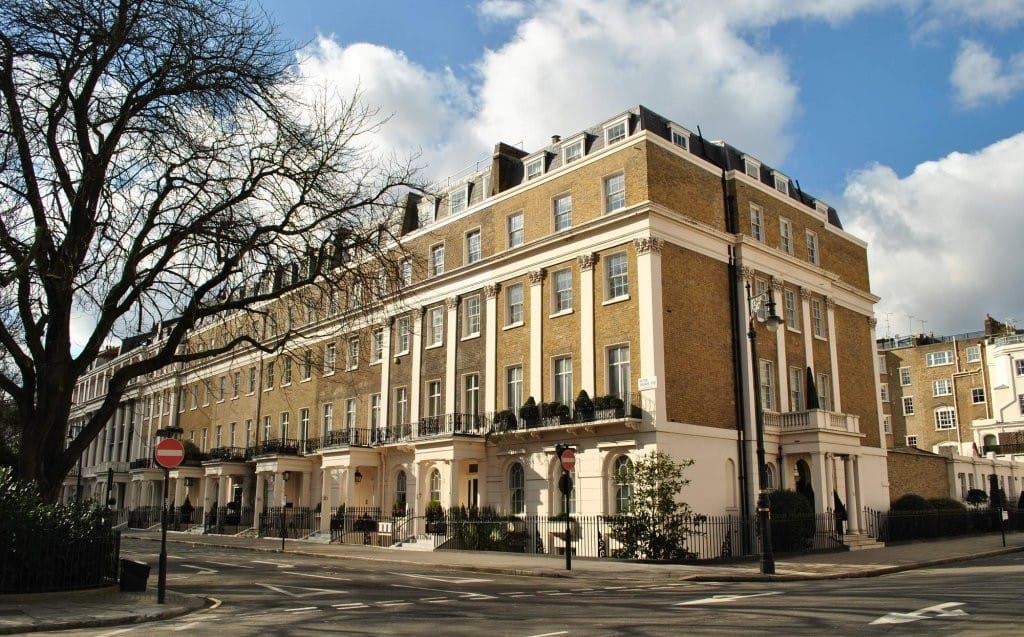
The UK’s Autumn Budget is fast approaching, scheduled for 26th November, and all eyes are on the Chancellor’s potential tax reforms. Among the most debated proposals is the idea of a National Property Tax – a change that could reshape the market for luxury homes in London and other high-value areas.
For those investing in or owning high-end property, particularly in the super-prime London market, the implications could be significant.
Why the National Property Tax Matters for Luxury Homeowners
Currently, property buyers in the UK pay Stamp Duty Land Tax (SDLT), a cost often running into tens of thousands for prime properties. The proposed National Property Tax would instead place an annual levy on properties above £500,000 – and, crucially, it would be charged to the seller rather than the buyer.
While this may ease the path for younger buyers entering the market, it places a heavier burden on long-term homeowners and retirees in affluent areas who have seen their property values appreciate sharply over the past two decades.
Potential impacts on the Prime London Market
- Shifting the burden to sellers – Owners of properties over £500,000 could face a new annual cost or a tax at the point of sale, reducing the financial incentive to move.
- Capital Gains Tax changes – Speculation includes ending the exemption on primary residences, potentially introducing a form of “Mansion Tax”. This could significantly affect the sale of super-prime homes in Mayfair, Belgravia, and Chelsea.
- London most exposed – According to Rightmove, nearly 60% of homes in London are priced over £500,000, compared with just 13% in Yorkshire and the Humber for example. The luxury property market in London and the Southeast would be more significantly impacted.
- Asset-rich, cash-poor homeowners – Retirees living in multi-million-pound properties but with limited liquid income could be hardest hit.
- Rental market boost – Some owners may prefer to hold onto properties and rent them out rather than sell, potentially driving growth in the high-end rental sector.
Lessons from the Past
When SDLT bands were restructured in 2014, prime central London sales volumes fell by around 25% in the following year (Savills). A similar shift now could again dampen fluidity in the market, particularly at the upper end.
The Design Perspective: Protecting Property Value
For owners and investors in luxury homes, the focus will inevitably shift to protecting and enhancing property value. Design plays a crucial role here.
- High-quality interior design makes a property more desirable to prospective buyers or tenants.
- Investment in luxury kitchens, bespoke living spaces, and mansion refurbishments ensures homes retain their appeal, even under changing tax conditions.
- For developers, strong design credentials can be the difference between a quick sale and a stagnant listing.
At present, the National Property Tax remains speculation, but there is no doubt that the government is searching for new ways to increase revenue, and luxury homeowners could well be a focus.
For those owning or considering investment in London’s super-prime market, the key will be to stay informed and ensure their properties remain at the top of the desirability ladder – both through smart financial planning and exceptional interior design that adds lasting value.